How to Choose a Niagara Falls Tour That Fits Your Trip
Choosing a niagara falls tour is less about finding the biggest itinerary and more about matching the day to the way you like to travel. The falls can be enjoyed from several angles, from overlooks and walking paths to boat rides and viewpoints on both sides of the border. A good choice depends on your timing, mobility, interests, and how much structure you want.
Start with the practical question of where you are staying and how much time you have. A short visit may call for a focused outing with clear meeting points and limited stops. A fuller day allows room for a slower pace, nearby attractions, and time to simply stand at the rail and watch the water. Once the time frame is clear, the rest of the decision becomes much easier.
Set your must-see list first
Before comparing options, decide what you actually want to see. Some visitors mainly want the classic views of the falls from close range. Others want a broader day that includes viewpoints, a boat ride, or time in the surrounding parks. There is no single right mix. The best plan is the one that gives enough time to the parts that matter most to you.
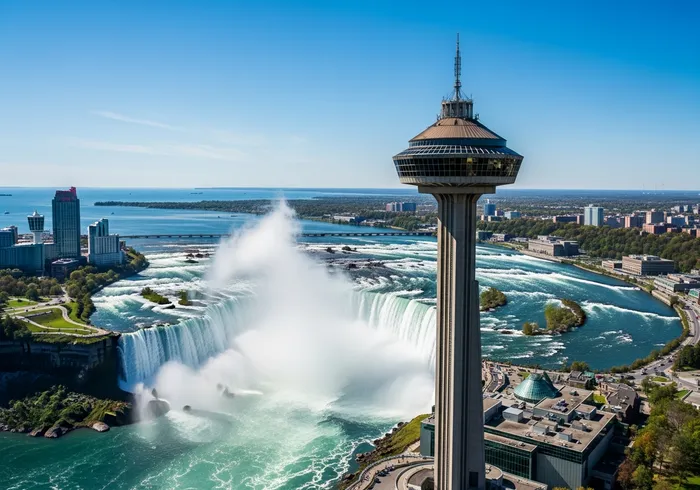
Think about the main viewpoints you have in mind. On the Canadian side, the broad views are popular because they show the falls in a wide sweep. On the American side, closer views and the shape of the gorge can feel dramatic. If seeing both sides matters, look for an itinerary that explains border crossing clearly and leaves enough time at each stop. A plan that squeezes everything into a tight window can feel rushed, especially at busy times of year.
Watch for vague wording such as scenic stops or highlights without details. A clear plan should name the places or types of viewpoints included and say how long you can expect to spend there. That does not mean every minute needs to be scheduled. Some open time is useful, particularly in bad weather or when crowds build.
Choose the style of day you want
Niagara Falls suits different travel styles. A guided coach day can be easy if you prefer not to manage transport, parking, or timing. A walking focused outing may suit people who want to stay close to the falls and move at a steady pace. A small group format may feel calmer, while a larger operation may offer a simpler structure for families or first-time visitors.
Consider how much commentary you want. Some tours are rich in local history and geography, with a guide who explains what you are seeing at each stop. Others leave more room for independent exploring. Neither is better by default. If you enjoy context, look for a plan that includes interpretation rather than just transport. If you prefer quiet time and photographs, choose something with fewer scheduled explanations.
Comfort matters too. Check whether the day involves long walks, stairs, standing for extended periods, or transfers between vehicles. If anyone in your group needs a slower pace, make that a priority before looking at extras. A shorter itinerary with comfortable pacing is usually more enjoyable than a packed day that leaves people tired.
Read the itinerary like a timeline
A good itinerary tells you what happens in order and where there is flexibility. Read it as a timeline rather than a list of attractions. Look at the meeting point, the first major stop, any transfers, free time, and the finish point. A plan that starts far from where you are staying can eat into the day before the falls come into view.
Pay attention to how long each stop lasts. A brief photo stop may be enough for one viewpoint but not for a place you want to explore slowly. If a boat ride or indoor attraction is included, check whether the ticket process is described and whether there is time for queues. Weather can also change the experience, so a plan with a little slack is easier to adjust.
When comparing a Niagara Falls Tour with another option, check what is included at each stage. Some itineraries focus mainly on transport and commentary, while others bundle entry to attractions. That difference changes the feel of the day. It also affects how much you need to arrange separately. Clear wording is a useful sign because it helps you picture the day before committing.
It is also worth checking a site such as niagarafallstour.co when you want to compare the shape of an outing with your own plans. Use what you read there as one reference point, then weigh it against your timing, group needs, and preferred pace. A plan that looks impressive on paper may not be the right fit if it leaves little space to enjoy the falls.
Check the border and transport details
Niagara Falls sits in a cross-border region, so transport details deserve close attention. If an itinerary includes both the Canadian and American sides, confirm how border crossing is handled. Passport and visa rules vary by nationality, and entry requirements can change. Check official sources before the day, not after booking.

Think about the route as well. Some plans begin in one country and end in another, which can complicate the return journey if you are staying in a single place. A round trip that returns to the starting point is often simpler. If you are staying nearby and prefer independence, a plan with a clear public transport or parking connection may work better.
Watch for transfers that are not clearly explained. A day with several pickups, vehicle changes, or long waits can feel fragmented. Ask whether the meeting point is easy to find and whether the finishing point is the same. If you have a later commitment, build in extra time. Border checks, traffic, and peak season crowds can all slow the day.
Compare value, not just inclusions
Value comes from the whole experience, not only from the number of stops. A day with fewer attractions but clear organisation and enough time at the falls may feel better than a long list of quick visits. Think about what you would be disappointed to miss and what you can happily leave for another trip.
Useful questions to ask before choosing include:
- Does the plan leave enough time at the main viewpoints?
- Are entry tickets, transport, and guide services described clearly?
- Is the pace suitable for everyone in the group?
- What happens if weather affects part of the day?
- Is the start and finish point convenient for where you are staying?
These questions keep the comparison practical. They also reveal whether an itinerary has been designed around real visitor needs or simply packed with names. A clear answer is more helpful than a broad promise. If details are missing, ask before you book rather than hoping on the day.
Match the day to the season and crowd level
The falls change with the season, and so does the feel of a tour. Warmer months often bring larger crowds and longer queues at popular viewpoints. Quieter periods may offer more space, but some attractions and viewing areas can have reduced access or different hours. Check what is open for the date you have in mind.
Light matters for photography and for comfort. Morning hours can be calmer in busy seasons, while later in the day may suit visitors who want a softer pace. If you care about photos, look at where the sun sits in relation to the falls at the time of your visit. This is a small detail, but it can shape how the day feels.
Weather should influence your choice too. A plan with outdoor stops is beautiful in fair conditions but less comfortable in heavy rain or strong wind. Waterproof layers and sensible footwear help, yet shelter and indoor stops still matter. If rain is likely, choose an itinerary with enough flexibility to adapt rather than one that depends on a single outdoor viewpoint.

Make the final choice with clear expectations
By this point, the decision should rest on a few firm points: time available, must-see viewpoints, pace, border logistics, and comfort. Narrow the field to options that meet those points, then compare the small details. Names such as Niagara Falls Tour can be part of your research, but the itinerary itself should do the heavy lifting.
Before committing, reread the meeting details, cancellation terms, and what happens if plans change. Check that the day ends where you need it to, especially if you have onward travel. Confirm the group size if that affects your comfort, and ask about accessibility if anyone needs it. A few careful checks before the day protect the experience later.
The right niagara falls tour does not have to be the longest or most elaborate. It should give you a clear route, enough time at the falls, and a pace that suits the people travelling. When those pieces line up, the day feels less like a schedule to follow and more like a visit you can actually enjoy.